
"import and export"
9000 article(s) found

Video of grading milking of Ethiopian coffee
In Ethiopia, the grading and quality control system of coffee is divided into three levels: producer, regional and national. All coffee is inspected by local inspection agencies before leaving the country of origin, and then re-tested at the coffee inspection and grading centers in Addis and Diredawa to determine its quality grade. Coffee is graded before auction and sale, for all involved in production,
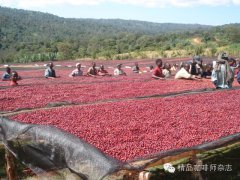
Single boutique boutique Burundian Burundi Brundi Champion processing Factory Kayanza province boutique coffee
Coffee is Ethiopia's main economic crop and the country's largest crop export and important industry. It accounts for 60% of Ethiopia's total export value and supports many small farms, as well as sugar, bananas and cotton. It is also Ethiopia's largest and important commodity export crop after oil, and it is also the largest export of Elaraby in Africa, in 1997.
Washed Ethiopian Sidamo coffee beans introduce coffee flavor and taste
Washed coffee accounts for 35% of exports. Good quality washed coffee is processed with freshly picked fully ripe fruit, picked carefully and closely monitored by professionals. The picked clean coffee beans are pulped on the day of picking, then fermented, washed, dried and peeled. The humidity of processed coffee beans is kept at about 12%. Sun-cured coffee accounts for 65% of exports. Mainly by
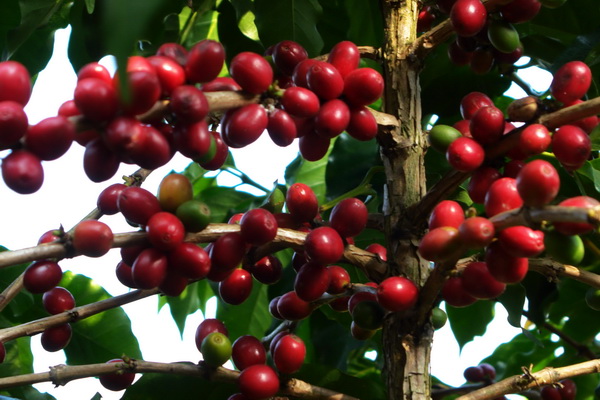
African flavor Ethiopian grade G1G2 G3 boutique coffee beans
Pre-auction process 1) farmers pick fresh coffee fruits; 2) farmers transport fresh fruits to rural cooperatives; 3) cooperatives sell fresh fruits to middlemen; 4) middlemen collect and transport fresh fruits to processing plants (washing or tanning process); 5) middlemen transport processed beans (with shell beans, Parchment Coffee) to auction houses to establish warehouses; 6) auction houses give official evaluation (

African Coffee's slow Journey to China
Coffee originated in Africa and little is known about it. In fact, Africa Ethiopia is the hometown of coffee, producing the best Arabian coffee in the world. Soil, climatic conditions and an altitude of more than 2000 meters above sea level have enabled many African countries to create an ideal environment for the growth of coffee.

Is it easy to use imported coffee beans?
Salvadoran coffee-Salvadoran coffee flavor: balanced taste, excellent texture suggested roasting method: medium to deep, there are many uses of quality beans: Salvadoran SHB taste characteristics: sour, bitter, sweet mild moderate. Salvadoran coffee ranks side by side with Mexico and Guatemala as the producers of Asa and Merdo, and is fighting for the first place in China and the United States with other countries.

What are the coffee bean import and export countries? which country is the largest coffee exporter in the world?
Professional coffee knowledge exchange more coffee bean information Please follow the coffee workshop (Wechat official account cafe_style) people who like to drink single beans like to drink Colombian coffee, super Colombian coffee has a rich and rich aroma, it does not taste as strong as Brazilian coffee, nor does it have obvious acidity like African coffee, but with clear high-quality acidity and high average

Acidity and texture of Ethiopian Coffee Manor Flavor characteristics of Fine Coffee beans
In Ethiopia, the grading and quality control system of coffee is divided into three levels: producer, regional and national. All coffee is inspected by local inspection agencies before leaving the country of origin, and then re-tested at the coffee inspection and grading centers in Addis and Diredawa to determine its quality grade. Coffee is graded before auction and sale, for all involved in production, acquisition,

Sidamo Coffee Flavor description Candle Coffee Flavor description
Sidamo Coffee Flavor description Coffee is Ethiopia's most important export cash crop and a major source of foreign exchange earnings. Ethiopia's coffee exports account for about 3% of the world market, making it the eighth largest coffee exporter in the world. Coffee exports increased steadily from 58000 tons in 1990 to 110 tons in 1995-1996.

Ethiopia, the largest producer of coffee in Africa.
Coffee grading and quality control system in Ethiopia, coffee grading and quality control system is divided into three levels: producer, regional and national. All coffee is inspected by local inspection agencies before leaving the country of origin, and then re-tested at the coffee inspection and grading centers in Addis and Diredawa to determine its quality grade. Coffee is graded before auction and sale
Fine Coffee General knowledge International Coffee Organization History
In the 19th century, coffee became an important commodity in the international trade market. For a long time after that, the coffee market was often in a state of oversupply, low prices, and occasional price increases in short supply, but for a short period of time. During the economic crisis of the 1930s and World War II (1939-1945), the coffee market
General knowledge of coffee bean grading A brief introduction to the grading system of coffee beans in Ethiopia
In this age of flamboyant clothes, beautiful masks and expensive silicone, Egyptian beans are obviously not the kind of people who can't resist your appearance. The long and thin bean shape, coupled with its uneven size, always feels a little born with stunting. Fortunately, God is fair, and the Egyptian beans without outstanding appearance have rich connotations (so do many ugly people.

When Swiss Coffee meets Chinese "double Festival"
Professional baristas Please follow the Coffee Workshop (official Wechat account cafe_style) at the Nestl é factory in Orbe, staff are testing the quality of instant coffee. (Keystone) how do you celebrate double Golden week? When you go out for sightseeing, take a break and have a cup of coffee to relieve your fatigue; when your family gets together to enjoy the moon, don't forget to have coffee to cheer you up. Why? Because the golden autumn is not only

Introduction to the taste and flavor of Ethiopian coffee
In Ethiopia, the grading and quality control system of coffee is divided into three levels: producer, regional and national. All coffee is inspected by local inspection agencies before leaving the country of origin, and then re-tested at the coffee inspection and grading centers in Addis and Diredawa to determine its quality grade. Coffee is graded before auction and sale, for all involved in production, acquisition,

Raw beans of Ethiopian Sidamo Coffee treated with Water washing G2 Grade imported Coffee unbaked beans
Today, there are still a large number of wild Arabica coffee trees growing in many parts of Ethiopia, averaging between 4200 and 6800 feet above sea level. Now there is a trend of small cultivation, generally planting banana trees for shade at the same time, but due to lack of agricultural technology, herbicides and pesticides are less used. Coffee is Ethiopia's main economic crop and the largest in the country.

Ethiopian coffee flavor Ethiopian coffee variety Ethiopian coffee brand
Due to different processing methods, coffee can be divided into washed coffee (Washed coffee) and sun-cured coffee (Sun-dried coffee). Washed coffee accounts for 35% of exports. Good quality washed coffee is processed with freshly picked fully ripe fruit, picked carefully and closely monitored by professionals. The clean coffee beans picked up will be pulped on the day of picking.

Acidity and texture of Ethiopian Yega Sheffivoka Coffee Flavor Manor
Due to different processing methods, coffee can be divided into washed coffee (Washed coffee) and sun-cured coffee (Sun-dried coffee). Washed coffee accounts for 35% of exports. Good quality washed coffee is processed with freshly picked fully ripe fruit, picked carefully and closely monitored by professionals. The clean coffee beans picked up will be pulped on the day of picking.

Ethiopian Coffee Manor Flavor description Grinding degree Variety characteristics introduction to the taste of fine coffee beans
In Ethiopia, the grading and quality control system of coffee is divided into three levels: producer, regional and national. All coffee is inspected by local inspection agencies before leaving the country of origin, and then re-tested at the coffee inspection and grading centers in Addis and Diredawa to determine its quality grade. Coffee is graded before auction and sale, for all involved in production, acquisition,

How to find imported coffee bean suppliers? what are the coffee bean suppliers in Beijing, Guangzhou and Shanghai?
Professional coffee knowledge exchange more coffee bean information please pay attention to the coffee workshop (Wechat official account cafe_style) coffee bean suppliers are also increasing the supply and demand of imported coffee beans, and then the editor sorted out some points for attention on imported coffee beans customs declaration: first, the qualifications of imported coffee beans 1. Before importing coffee beans, we should see if the company has made any progress.

Description of Coffee Raw Bean species and Flavor in Ethiopia; introduction to the characteristics of varieties and regions
In Ethiopia, the grading and quality control system of coffee is divided into three levels: producer, regional and national. All coffee is inspected by local inspection agencies before leaving the country of origin, and then re-tested at the coffee inspection and grading centers in Addis and Diredawa to determine its quality grade. Coffee is graded before auction and sale, for all involved in production, acquisition,